

What Are Solar Energy Systems?: Your Complete Guide
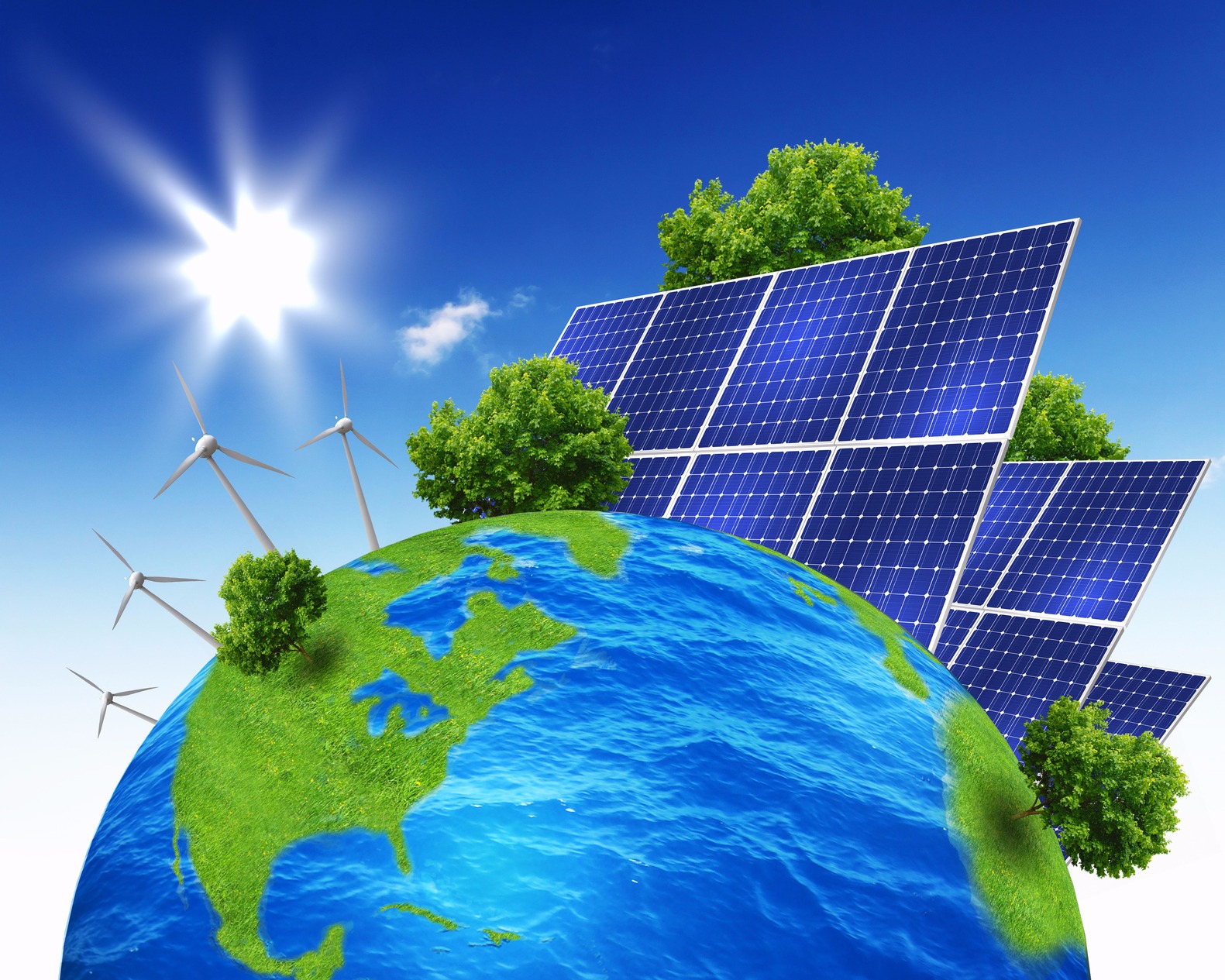
Solar energy systems represent a critical solution for our energy future. We possess impressive natural potential for solar and wind power. Our local energy consumption will increase threefold by 2030, yet we lack a competitive renewable energy sector. Understanding how solar energy systems work becomes necessary for businesses and homeowners in Saudi Arabia.
Solar technology offers practical benefits for our region’s energy needs whether you’re in Riyadh, Jeddah, or Dammam. We’ve set an original target of generating 9.5 gigawatts of renewable energy. It’s important to realize how these systems can contribute to our goals.
This piece covers what solar energy systems are and their types. You’ll also learn about their benefits for our region.
What Solar Energy Systems Are
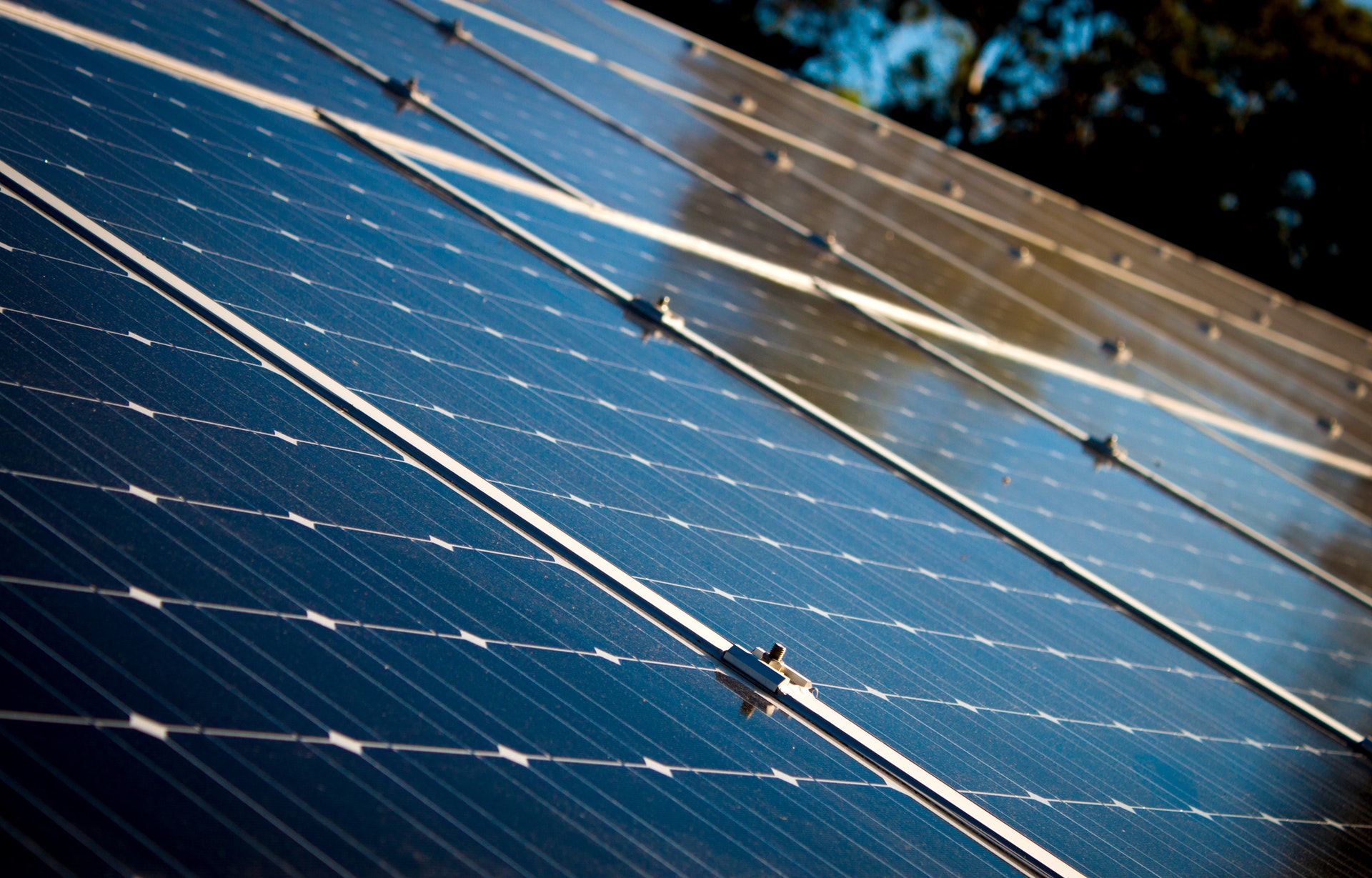
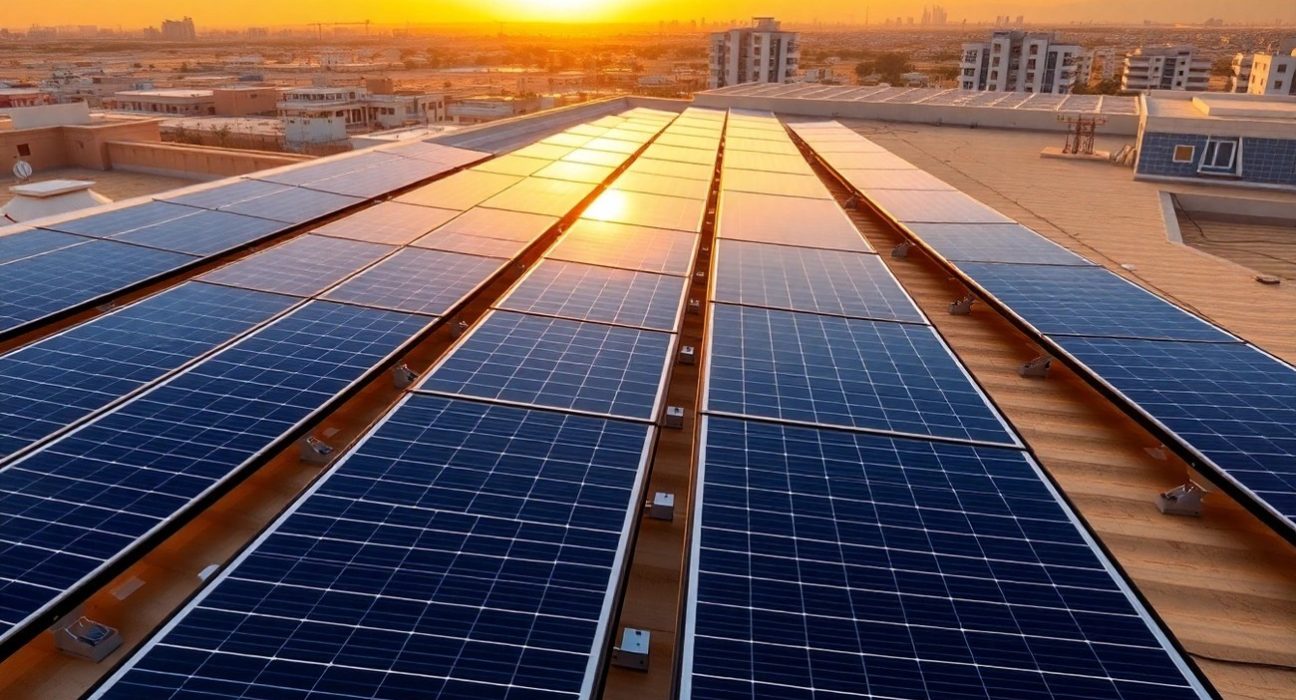
A solar energy system consists of interacting equipment designed to collect solar radiation, store the collected energy, and distribute it as needed. These systems convert sunlight into electrical energy through photovoltaic panels or mirrors that concentrate solar radiation.
Sunlight hits solar panels and starts the conversion process. Photovoltaic cells within the panel absorb energy from the sunlight and create electrical charges that move in response to an internal electrical field. This movement causes electricity to flow. Solar panels produce direct current electricity that fluctuates with sunlight intensity. Practical use requires conversion to alternating current through inverters.
Solar panels capture sunlight, inverters convert DC electricity to AC, and batteries store excess electricity to use during nighttime or cloudy days. Each component plays a vital role in this assembly that converts sunlight into usable electricity.
Solar energy systems come in scales of all sizes. Rooftops feature residential systems, businesses install solar panels to power their operations, and utilities build large solar power plants to provide energy to all customers connected to the grid. These systems must be integrated into existing electrical grids with varying mixtures of traditional and renewable energy sources.
Types of Solar Energy Systems
Solar energy systems fall into distinct categories based on their connection to utility grids and intended applications. Each type serves different needs in Saudi Arabia, from Riyadh’s urban centers to remote areas in the kingdom.
On-grid systems connect to the electricity grid and represent the most common form of rooftop solar installations. These systems don’t require batteries because they rely on the utility grid as backup power. Your panels produce more energy than you use at times. The surplus feeds back into the grid through net metering and earns credits that reduce your electricity bill. We’ve seen customers reduce their electricity bills by 90% with these configurations.
Off-grid systems operate independent from the public electricity grid. All energy generated gets consumed on site or stored in batteries for later use. These systems prove ideal for remote farms, ranches and isolated communities where grid access doesn’t exist. Solar batteries have become 90% cheaper over the last 15 years. This makes off-grid solutions more viable.
Hybrid systems combine grid connection with battery storage. They provide backup power during outages and maintain utility access. This offers flexibility that pure on-grid systems cannot match.
Solar water heating systems use thermal collectors instead of photovoltaic panels and heat water through sunlight exposure.
Benefits of Solar Energy Systems in Saudi Arabia
Our kingdom stands among the world’s most favorable locations for solar deployment. It receives an average global horizontal irradiance of 2,216 kWh per square meter each year. This natural advantage translates into substantial environmental and economic returns for businesses and homeowners in Riyadh, Jeddah, and Dammam.
The environmental effect is most important. A typical residential solar energy system offsets around 3 to 4 metric tons of CO2 per year. This equals planting over 100 trees each year. The Jeddah Solar Power Plant demonstrates this at scale and reduces carbon emissions by approximately 529,000 tons each year while serving 55,000 housing units. A 100-megawatt solar farm also saves up to 90% more water each year compared to a coal power plant of the same capacity.
Economic benefits support our national goals. Solar energy in Saudi Arabia achieved grid parity in 2013. It produces electricity at costs comparable to conventional sources. The Al Shuaiba solar project recorded the world’s lowest cost at 1.04 US cents per kilowatt-hour. Najran followed at 1.09 cents. These competitive rates support the Saudi Green Initiative’s ambition to reach net zero emissions by 2060.
Solar panels maintain performance for 25 to 30 years with a median degradation rate of 0.75% each year. This ensures long-term value for your investment.
Conclusion
Solar energy systems offer our kingdom a practical path toward energy independence and sustainability. You can choose on-grid, off-grid, or hybrid configurations, and the technology delivers measurable environmental and economic returns. Our strong solar irradiance and competitive installation costs make this an ideal time to adopt solar solutions. The systems perform for decades without doubt, making them a sound investment for your home or business in Riyadh and Jeddah.
To learn more about solar energy systems, check Abdulrahman Alshareef Group, your number one partner in solar energy:
Contact us on: (+966) 53 777 5708
Or visit our website www.alshareefgroup.com